

Living in Illinois means experiencing some of the most unpredictable weather in the country. One day you are commuting through a freezing Chicago wind tunnel, and the next you are trying to focus while a thunderstorm pounds your home office windows. This constant environmental noise—from howling winter winds to summer storms and bustling city traffic—creates a unique challenge for finding peace. The solution for many is investing in a quality pair of active noise cancelling headphones. However, not all ANC headphones are created equal, and the specific demands of Illinois weather require you to look beyond just battery life and brand names. This guide will help you navigate the selection process by focusing on durability, comfort, and the specific acoustic needs of the Prairie State.
Key Takeaways
- Illinois weather demands more than just ANC; look for a high IP rating (IPX4 or higher) to protect against rain, snow, and sweat.
- The dramatic temperature shifts between seasons can affect battery performance, so choose a model with robust cold-weather battery management.
- For noisy commutes and windy conditions, prioritize headphones with multiple microphones for better call quality and wind noise reduction.
- Comfort is critical for long Chicago winters where you might wear headphones over hats or earmuffs; consider over-ear designs with deep ear cushions.
- While ANC is great for constant noise like engines or fans, it is less effective on sharp, sudden sounds like a car horn or a dog bark, so manage your expectations.
Why Illinois Weather Creates Unique Headphone Problems
Illinois is not just cold in the winter and hot in the summer; it is a state of extremes. The “Windy City” nickname isn’t just for show—the gusts can wreak havoc on the microphones used in ANC and phone calls. Furthermore, the humidity in summer can cause moisture buildup inside ear cushions, leading to discomfort and potential electronic damage over time. When you are looking for Illinois weather noise cancelling headphones, you are not just buying noise reduction; you are buying a device that must survive a wide range of environmental stress.
The Wind Problem: More Than Just Noise
Wind is a high-frequency sound. While noise cancellation is excellent at removing low-frequency hums (like airplane engines or HVAC systems), it often struggles with the broadband noise of wind hitting the ear cups. Many premium headphones now include “wind reduction” modes that use specialized algorithms and additional microphones to filter out this rushing sound. If you are often outdoors walking along the lakefront, this feature is vital.
Temperature Extremes and Battery Life
Lithium-ion batteries are sensitive to temperature. In a brutal Illinois January, leaving your headphones in a cold car can cause the battery to drain rapidly—or even refuse to charge temporarily. Conversely, the heat and humidity of July can cause overheating, which is a safety hazard. When selecting a pair, check reviews specifically for “cold weather performance” or look for models with advanced battery management systems that monitor temperature.
For frequent flyers and daily transit riders looking for versatile audio gear, check out our guide on Wireless Headphones for Commuting and Travel to find the ideal companion for your daily journeys.
Key Features to Prioritize for Illinois Commuters
If you rely on public transit in Chicago, the “L” train is arguably one of the loudest environments you can find. The screeching metal wheels generate a harsh, high-pitched sound that is difficult to cancel. In contrast, a suburban commute on the Eisenhower Expressway involves more low-frequency road noise. Your usage scenario dictates the type of ANC technology you need.
Adaptive vs. Hybrid ANC
There are generally two types of ANC systems: Adaptive and Hybrid.
- Adaptive ANC automatically adjusts the level of cancellation based on your environment. This is great for Illinois because it can increase cancellation on the noisy “L” and reduce it on a quiet street so you can hear traffic.
- Hybrid ANC uses both feedforward (external microphones) and feedback (internal microphones) to cancel noise. This is generally more effective for the constant low-frequency hum found in automobiles.
For the varied soundscape of Illinois—from construction sites to train lines—a pair with premium adaptive ANC is often worth the extra investment.
How to Navigate the Build Quality and Weather Resistance
Most consumers overlook the IP (Ingress Protection) rating. A splash of rain or heavy sweat can kill a non-rated pair of headphones. During an Illinois summer, a sudden downpour is common. Look for at least an IPX4 rating, which means the device is protected against splashing water from any direction. This is enough to handle a walk through light rain or an intense gym session. However, you should avoid models with fabric exteriors that absorb moisture, as they can become heavy and the foam inside can degrade.
Material Matters: Avoiding the Cold Cracking Problem
Plastic and faux leather can become stiff and brittle in freezing temperatures. When you put on a stiff headband in the cold, it can snap if stretched too quickly. Look for headphones with a flexible, metal-reinforced headband. For ear cushions, protein leather is common, but memory foam with a “cooling gel” layer is better for summer months to prevent heat build-up that causes sweating.
Isolation is Just as Important as Cancellation
A common mistake is assuming that ANC alone will block out noisy roommates or loud TVs. Passive isolation—the physical barrier created by the ear cups—is equally critical. In Illinois, you might find yourself in a drafty old building where the furnace kicks on making a rattling sound. If you have poor passive isolation, the ANC will struggle with that high-frequency rattle. Over-ear headphones generally provide better passive isolation than on-ear or in-ear models because they create a complete seal.
If you are frequently navigating the differences between the Loop and the quieter suburbs, understanding this balance is key to making a purchase you won’t regret.
Practical Steps for Testing and Choosing the Right Pair
Selecting the right headphones isn’t just about reading spec sheets; it’s about matching those specs to your daily reality. Before you purchase, consider these practical steps:
- Simulate the “Train” test: Play a loud, constant noise (like a fan or a white noise app) and see how much of the mid-range frequencies are blocked. Many ANC only blocks low frequencies effectively.
- Check the Seal: Wear the headphones for 15 minutes. If you wear glasses, ensure the clamp force doesn’t create gaps that let sound in.
- Test the Microphone in Wind: Have a friend call you while you stand near a fan. If your voice sounds like you are in a tunnel, the wind reduction is poor.
Understanding Codecs: Do You Need LDAC or AAC?
While this isn’t weather-related, it affects the experience. In a loud environment, you don’t need audiophile-grade codecs because the masking noise hides the fine details. However, if you are using these for quiet evenings at home, a higher-quality codec (like LDAC on Android or AAC on iPhone) will make a difference. For Illinois weather, prioritize battery life and ANC over codecs, as you will likely need to use them more frequently to block out noise.
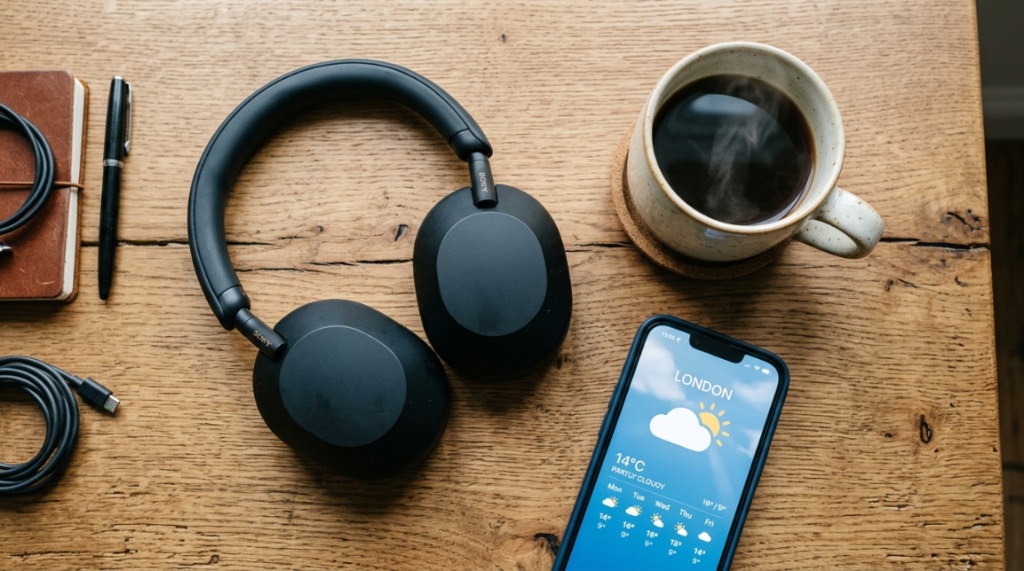
Comparing Over-Ear vs. In-Ear for Seasonal Use
This is a classic dilemma. For Illinois, the choice depends on the season.
| Feature | Over-Ear | In-Ear (Earbuds) |
|---|---|---|
| Cold Weather | Excellent—they act as earmuffs, keeping your ears warm. | Good—but they can become uncomfortable under a wool hat. |
| Summer Heat | Can cause sweating and heat rash. | Better airflow, but sweat can ruin the tips over time. |
| Battery Life | Generally longer (30-40 hours). | Shorter (6-9 hours) with charging case. |
| Portability | Bulkier, hard to carry in a coat pocket. | Extremely portable. |
| Sound Isolation | Superior passive isolation. | Good, but depends on tip seal. |
If you walk to work in January, over-ear headphones are the clear winner. If you are more of a runner, look for in-ears with ear fins to stay secure.
Battery Life and Connectivity in Extreme Conditions
Cold temperatures force your phone and headphones to work harder. Bluetooth connectivity can also become spotty in extreme cold. When choosing a model, do not just look at the total battery life—look at the “ANC on” battery life. Some headphones offer 40 hours but only 24 hours with ANC active. For a long work commute followed by a delay on the train, you want a buffer. Look for models with rapid charging—a 5-minute charge should give you at least 2 hours of playback in case you forgot to charge overnight.
Frequently Asked Questions
Will noise cancelling headphones block out the sound of thunder?
No, not entirely. ANC is most effective against constant, low-frequency sounds. Thunder is a sudden, broad-frequency impulse. While the headphones will muffle the sound, you will still hear a loud crack. They are, however, excellent for blocking the continuous rumble of a rainstorm or the hum of a dehumidifier.
Can I wear over-ear headphones with a beanie or hat?
Yes, but you must look for a pair with a “low-clamp force.” Tight headphones compress the hat against your ears, causing pain. Many premium over-ear models now feature plush ear pads that can accommodate a thin beanie, but you may want to size up if possible.
How do I stop my headphones from fogging up my glasses in winter?
This happens when warm air escapes your mask or breath and hits cold lenses. To fix this, ensure your headphones create a tight seal under your glasses, not over them. Place the ear cups over your glasses arms to lock in that seal and prevent warm air from rising up to your eyes.
Are expensive headphones worth it for commuting?
If you commute on the “L” train daily, yes. Premium models offer better wind noise reduction and superior call quality, which is essential if you take work calls on the platform. Budget models often cut out or have poor microphone clarity in windy conditions.
What is the best way to store headphones when going between outdoors and indoors?
Do not put them immediately in a sealed case. If you come in from the cold, condensation will form. Let them sit in the open air for 5 minutes to acclimate before storing them to prevent moisture damage to the electronics.
Conclusion
Selecting the right noise cancelling headphones for Illinois is about more than just picking the most popular brand. It requires understanding how the state’s harsh winds, freezing winters, and humid summers affect technology. Prioritize a high IP rating for moisture resistance, robust battery management for temperature swings, and adaptive ANC for the varied noise levels of city and suburban life. Look for a comfortable fit that accommodates seasonal headwear, and remember that passive isolation does half the dirty work. By focusing on these specifics, you will find a pair that keeps you calm, focused, and connected, no matter what the Illinois sky decides to throw at you.



Leave a Reply