
Launching a website remains the ultimate test of a digital team’s mettle. Most projects fail not because of poor code, but due to fragmented planning. Recent industry data suggests that 70% of digital projects suffer from scope creep. This expansion often pushes deadlines past the point of relevance. Success requires a blend of creative vision and rigorous technical execution. This website launch guide explores the essential steps to ensure your digital debut hits the mark perfectly.
Phase 1: Defining the Strategic North Star
Before writing a single line of code, you must define your purpose. Why does this website exist? Every successful project starts with a clear value proposition. Stakeholders often have competing interests that can derail progress. You must align these goals early to avoid friction later. A website without a strategy is just a digital brochure that no one reads.
Logically, your design should follow your business objectives. If your goal is lead generation, focus on high-conversion landing pages. If you want brand awareness, prioritize storytelling and visual impact. Experts argue that user experience (UX) should lead every decision. Additionally, you must identify your target audience with pinpoint accuracy. Knowing your user’s pain points allows you to build solutions, not just features.
Phase 2: Mastering the Project Launch Checklist
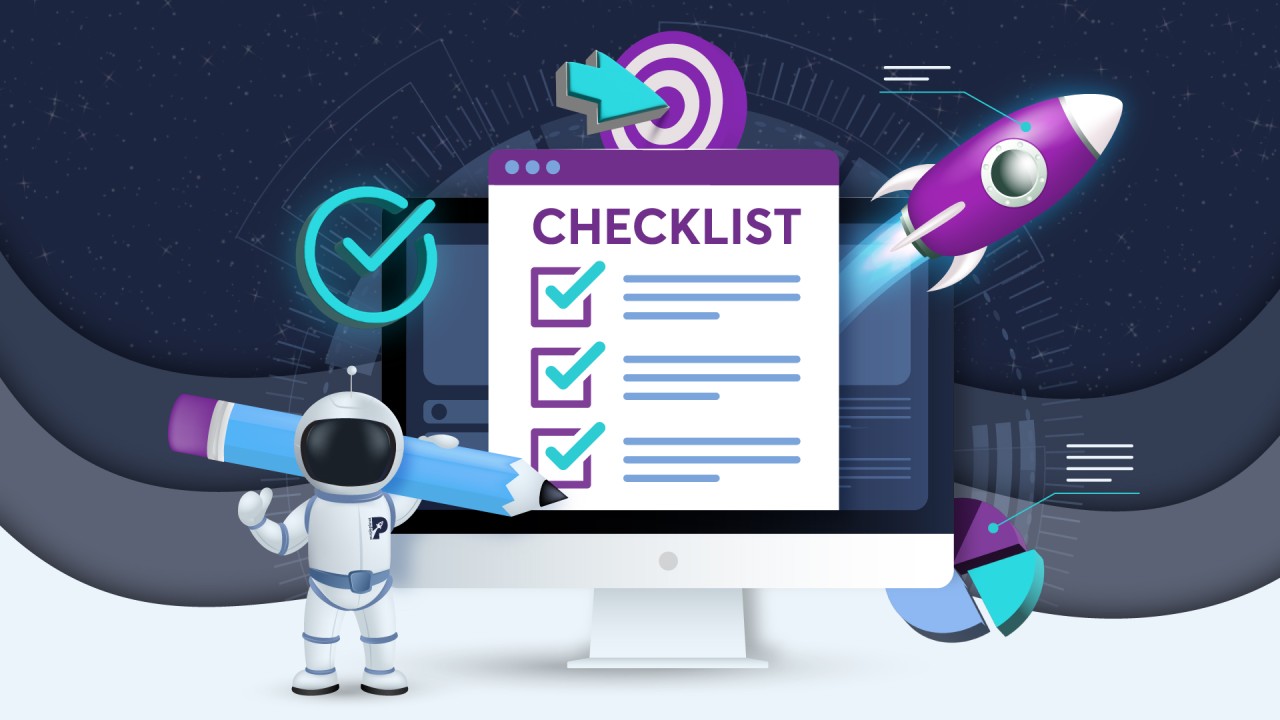
A structured approach prevents the chaos of last-minute fixes. You need a comprehensive project launch checklist to keep the team on track. This list should include technical requirements, content milestones, and SEO benchmarks. Most successful launches utilize agile methodologies to manage these moving parts. Therefore, breaking the project into smaller sprints keeps the momentum high.
Organization is the bedrock of digital excellence. You should assign clear roles to every team member. Designers, developers, and copywriters must communicate daily. This transparency reduces the risk of expensive errors. Furthermore, using project management tools like Asana or Jira ensures accountability across the board.
Phase 3: Designing for the Modern Human
Design is no longer just about looking pretty. It is about accessibility and intuitive navigation. Users decide within seconds if they trust your site. Therefore, your visual hierarchy must guide them toward a specific action. Modern design trends emphasize minimalism and fast loading speeds. However, you should never sacrifice functionality for purely aesthetic gains.
Logic dictates that mobile-first design is mandatory in 2026. More than 60% of web traffic now comes from mobile devices. If your site fails on a smartphone, it fails entirely. Additionally, ensure your color palette reflects your brand identity consistently. High-contrast elements help users with visual impairments navigate your content. This inclusive approach expands your reach and improves your reputation.
Phase 4: Content is the Engine of Growth
Content often becomes the bottleneck of any website project. Teams underestimate the time needed to produce high-quality copy. You should start the content creation process during the wireframing phase. This ensures the design fits the message perfectly. Use power words to evoke emotion and drive clicks.
Effective content must balance human interest with search engine requirements. You want to rank high, but you must sound human. Avoid keyword stuffing at all costs. Instead, focus on providing genuine value to your readers. Therefore, use clear headings and short paragraphs to improve readability. This website launch guide highlights that quality content earns trust faster than any flashy animation.
Phase 5: The Technical Foundation and SEO
A beautiful site is useless if Google cannot find it. Technical SEO is the silent partner of a successful launch. You must optimize your site’s metadata, alt tags, and URL structures. Search engines reward sites that load quickly and provide secure connections. Consequently, investing in premium hosting is a logical business move.
Additionally, implement schema markup to help search engines understand your data. This increases the chances of appearing in rich snippets. Link building should also start before the site goes live. Reach out to partners and influencers to create early buzz. Successful launches rely on a multi-channel approach to drive initial traffic.
Phase 6: The Rigorous Testing Gauntlet
Never launch a website without exhaustive testing. You must check every link, button, and form. Cross-browser testing ensures your site works on Chrome, Safari, and Firefox. Logic suggests that if one feature breaks, the user’s trust breaks too. Therefore, conduct usability sessions with real people to find hidden friction points.
Check your site speed using tools like Google PageSpeed Insights. A delay of one second can reduce conversions by 7%. You should also verify that all tracking codes are active. Google Analytics and Meta pixels provide the data you need for future growth. Finally, perform a security audit to protect user data from potential threats.
Professional Tips for a Flawless Launch
-
Freeze the Code: Stop making design changes 48 hours before the launch to prevent new bugs.
-
Check Redirects: Ensure all old URLs point to the new ones to save your SEO rankings.
-
Verify SSL: A “Not Secure” warning will kill your traffic instantly on day one.
-
Optimize Images: Use WebP formats to keep your pages light and fast.
-
Backup Everything: Always have a full site backup ready before you flip the switch.
Real-World Examples and Reviews
Many industry leaders emphasize the “soft launch” approach. For instance, a major e-commerce brand recently launched its site to a small segment first. This allowed them to fix minor checkout bugs before the mass marketing push. Reviews from project managers often cite “poor communication” as the number one reason for delays. Using a website launch guide helps bridge the gap between creative and technical departments.
Related Topics:
Frequently Asked Questions (FAQs)
1. How long does a typical website project take?
Most professional projects take between 12 to 20 weeks depending on complexity.
2. Why is a project launch checklist so important?
It prevents human error and ensures you don’t miss critical technical steps like SEO or security.
3. Should I launch on a Friday?
No. Avoid Friday launches so your team is available to fix bugs during the week.
4. How much does a custom website cost?
Costs vary wildly, but quality professional sites usually start at $5,000 and go much higher.
5. What is the most common mistake during a launch?
Ignoring mobile responsiveness is the most frequent and costly mistake teams make today.
6. Do I really need SEO on day one?
Yes. Retrofitting SEO is much harder and more expensive than building it in from the start.
7. How do I measure launch success?
Track your bounce rate, average session duration, and conversion goals in Google Analytics.
Conclusion: Your Digital Future Starts Now
Launching a website successfully is a marathon, not a sprint. It requires meticulous planning and a deep understanding of your user’s needs. By following a structured website launch guide, you minimize risks and maximize impact. Do not leave your digital reputation to chance. Use these insights to build a platform that thrives in a competitive landscape.
Ready to dominate the digital space? Start your journey by auditing your current project against our professional standards. Download our full resources today and ensure your next launch is nothing short of legendary!



Leave a Reply