
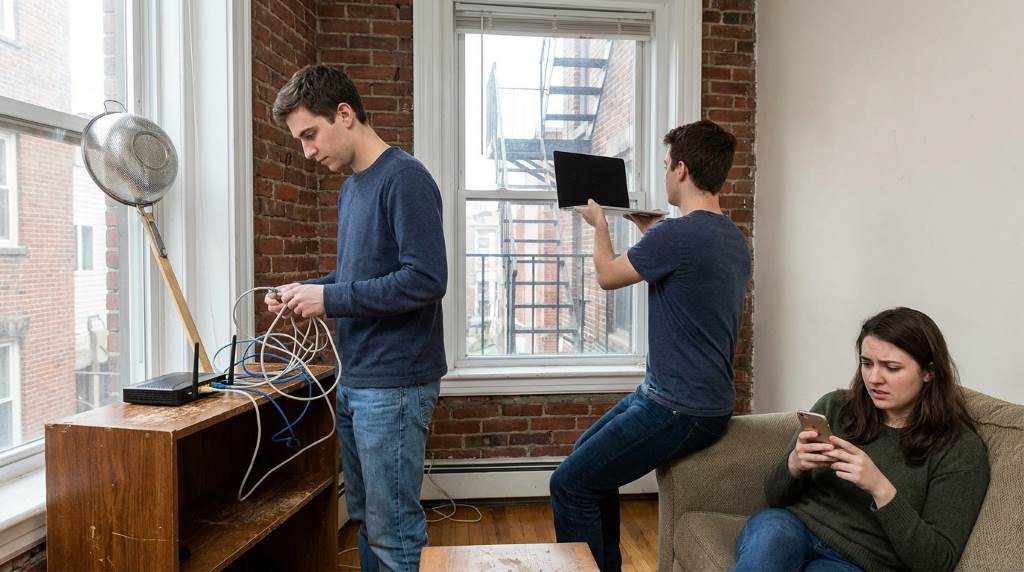
Students in Boston, Massachusetts rely on stable internet for classes, research, streaming, and part time work. However, many shared apartments near campuses struggle with weak Wi Fi signals and overloaded networks. A recent survey showed that more than 65% of college students feel frustrated when internet issues interrupt online learning. Many renters also search for ways to disconnect people from hotspot connections when too many devices slow down the network. Therefore, students in Boston, MA improve slow internet speeds in shared housing by using smart network habits, upgrading equipment, and managing connected devices more carefully.
Why Shared Housing Internet Slows Down in Boston
Boston has thousands of students living in packed apartments near universities and colleges. Many buildings were designed decades ago and lack modern internet wiring systems. As a result, weak signal coverage affects bedrooms far from the router. In addition, several roommates often stream videos and attend video calls at the same time.
Cold winters in Boston also create internet problems inside older buildings. Thick brick walls and metal heating systems often weaken Wi Fi signals throughout apartments. Moreover, snowstorms can increase internet traffic because students stay indoors longer. Some renters even explore rise of AI systems to automate smart home bandwidth management for better speed control.
Choosing the Right Internet Plan for Student Housing
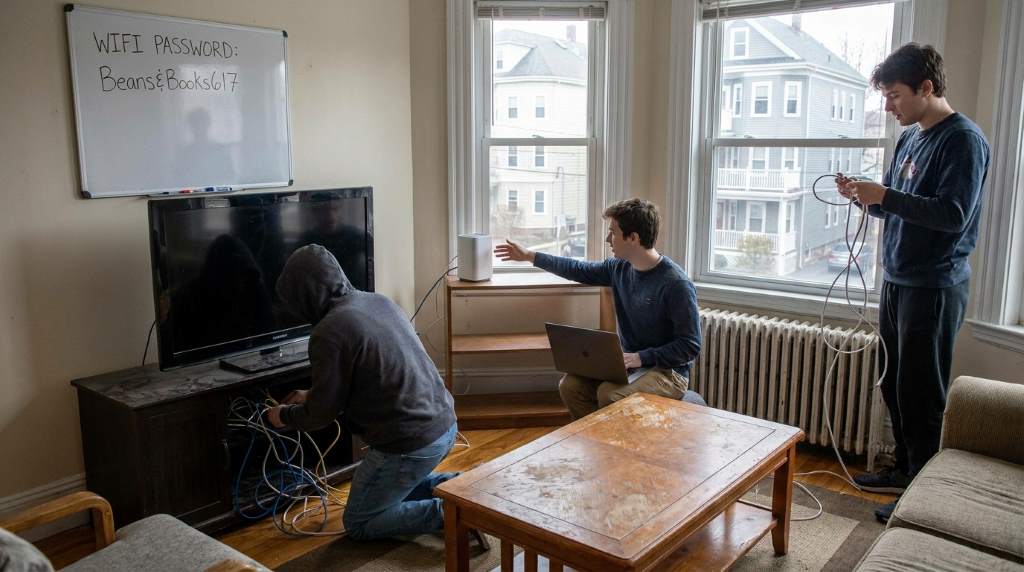
Many students make the mistake of selecting the cheapest internet package available. Although budget matters, low speed plans struggle when several users connect at once. Therefore, roommates should calculate how many devices they use daily before selecting a provider. Streaming, gaming, and online classes require higher bandwidth than simple web browsing.
Students in Boston usually compare plans from providers like Xfinity, Verizon Fios, and Astound Broadband. Fiber internet often performs better in crowded apartments because it handles multiple users efficiently. Furthermore, fiber networks usually offer lower latency during online gaming or Zoom meetings. Shared costs between roommates can also make premium plans more affordable.
Recommended Speed Ranges for Shared Apartments
- 100 Mbps for 2 to 3 light users
- 300 Mbps for 4 to 5 students with streaming needs
- 500 Mbps or more for gamers and heavy downloads
- Fiber internet for stable long term performance
Router Placement Makes a Huge Difference
Many students place routers in hidden corners or near the floor without understanding signal behavior. However, Wi Fi signals travel more effectively from open and elevated spaces. A router placed near the center of the apartment spreads coverage more evenly across rooms. Consequently, students experience fewer dead zones and stronger speeds.
Kitchen appliances and Bluetooth devices can also interfere with wireless signals. Microwaves, cordless phones, and smart TVs create additional congestion in crowded apartments. Therefore, students should avoid placing routers near electronics or thick walls. Some tech focused renters even research most powerful i7 processor systems when building stronger home networking setups for remote work and gaming.
Using Mesh Wi Fi Systems in Large Apartments
Large student apartments often contain several bedrooms spread across long hallways. In these cases, one router may fail to deliver strong signals everywhere. Mesh Wi Fi systems solve this issue by using multiple connected nodes around the apartment. As a result, students receive more consistent coverage in every room.
Mesh systems work especially well in Boston’s older brownstone buildings. Thick walls commonly block standard routers from reaching distant areas effectively. However, mesh nodes relay signals between each other to reduce weak spots. Students also appreciate the simple mobile apps that help manage connected devices.
Managing Bandwidth Between Roommates
Shared housing internet problems often come from unequal bandwidth usage. One roommate may stream 4K videos while another attends important online classes. Therefore, communication between roommates becomes essential for fair internet sharing. Simple agreements about gaming hours and large downloads can improve speed for everyone.
Modern routers also include Quality of Service settings known as QoS controls. These settings prioritize video calls, school websites, or gaming traffic during busy hours. Consequently, critical activities receive smoother performance even during network congestion. Students who use online creative tools, including those exploring how to make AI content projects, benefit greatly from bandwidth prioritization.
Simple Ways to Reduce Network Congestion
- Schedule large downloads overnight
- Limit unnecessary background apps
- Disconnect unused smart devices
- Use Ethernet for gaming consoles
- Reduce 4K streaming during peak hours
Ethernet Connections Still Matter
Wireless internet offers convenience, but Ethernet connections remain faster and more reliable. Students who game competitively or attend long video lectures often prefer wired connections. Ethernet cables reduce latency and eliminate wireless interference completely. Therefore, important tasks run more smoothly during busy hours.
Many Boston apartments already include Ethernet wall ports, although tenants rarely use them. Students can also purchase long flat Ethernet cables that fit under rugs and doors neatly. Furthermore, USB Ethernet adapters help laptops connect directly without built in ports. This simple upgrade often improves download and upload performance immediately.
Understanding Peak Usage Hours in Student Areas
Internet congestion often increases dramatically between 7 PM and midnight near universities. During this time, students stream shows, join gaming sessions, and upload assignments simultaneously. Consequently, shared apartment networks become overloaded quickly. Understanding these patterns helps roommates schedule internet intensive tasks more efficiently.
Boston neighborhoods like Allston, Fenway, and Mission Hill experience especially high evening traffic because of dense student populations. Therefore, students may notice faster speeds early in the morning or late at night. Downloading lecture materials during quieter hours can improve overall efficiency. Small scheduling changes often create noticeable improvements without additional costs.
How Weather Affects Internet Performance in Boston
Boston weather creates unique challenges for internet reliability throughout the year. Heavy snowstorms sometimes damage outdoor cables or increase provider network strain. Strong winds and freezing temperatures can also affect older infrastructure in historic neighborhoods. As a result, students occasionally experience temporary slowdowns during severe weather conditions.
Humidity during summer months may also impact poorly ventilated routers. Overheated networking equipment often performs less efficiently and disconnects unexpectedly. Therefore, students should place routers in cool areas with proper airflow. Cleaning dust from vents regularly can also extend equipment lifespan and improve reliability.
Checking for Hidden Device Usage
Many shared apartments contain more connected devices than roommates realize. Smart TVs, tablets, printers, speakers, and gaming systems constantly consume bandwidth in the background. Consequently, internet speeds drop even when nobody actively uses the network. Checking connected device lists helps identify unnecessary traffic.
Students should access their router dashboard at least once each month. Most modern routers display every connected device clearly inside the management panel. Removing unknown or inactive devices improves both security and performance. Additionally, changing Wi Fi passwords regularly prevents neighbors from using the network secretly.
Upgrading Older Networking Equipment
Outdated routers often struggle to support modern student lifestyles. Devices older than five years may not handle dozens of simultaneous connections effectively. Therefore, upgrading to Wi Fi 6 routers can significantly improve speed and stability. Newer equipment also supports better security standards and stronger signal management.
Students do not always need expensive premium hardware for better performance. Mid range routers from reliable brands usually provide excellent coverage for shared apartments. Moreover, refurbished networking equipment can reduce costs for budget conscious renters. Splitting upgrade costs between roommates makes these improvements even more practical.
Unique Student Strategies That Many Blogs Ignore
Some Boston students create rotating quiet bandwidth schedules before exams or assignment deadlines. This uncommon strategy allows roommates to prioritize academic tasks during critical periods. For example, one roommate pauses gaming while another uploads a large research project. Mutual cooperation often improves internet experiences more effectively than expensive upgrades.
Another overlooked strategy involves using secondary guest networks for entertainment devices. Students separate gaming consoles and streaming boxes from school related devices completely. Consequently, educational activities receive cleaner and more stable bandwidth allocation. This setup also improves network security inside crowded student apartments.
Affordable Internet Improvement Tools for Students
Students can improve internet performance without spending huge amounts of money. Simple accessories often deliver noticeable benefits in shared housing environments. Therefore, renters should focus on practical upgrades before changing providers completely. Small improvements can create a much smoother online experience.
- Wi Fi extenders for distant bedrooms
- Flat Ethernet cables for wired setups
- Router cooling stands for airflow
- Powerline adapters for older buildings
- Cable organizers to reduce clutter
Conclusion
Students in Boston, MA improve slow internet speeds in shared housing by combining better equipment, smart placement, and responsible bandwidth management. Older buildings, crowded apartments, and harsh weather conditions often create unique internet challenges across the city. However, practical solutions like mesh Wi Fi systems, Ethernet connections, and fair roommate agreements can dramatically improve daily performance. If you want a smoother online experience for studying, gaming, and streaming, start optimizing your apartment network today while also exploring creative digital trends like how to make AI projects for modern student workflows.
FAQs
What internet speed is best for four students sharing an apartment?
A 300 Mbps or higher plan usually works well for four students with streaming and online class needs.
Does cold Boston weather affect Wi Fi performance?
Yes, snowstorms and freezing temperatures can strain networks and weaken older infrastructure.
Is Ethernet better than Wi Fi for gaming?
Yes, Ethernet provides lower latency and more stable performance than wireless connections.
Can roommates improve internet speeds without changing providers?
Yes, better router placement and bandwidth management often improve speeds significantly.
What is the biggest cause of slow internet in shared housing?
Too many connected devices and heavy simultaneous usage usually create the largest performance issues.


Leave a Reply